Part 03 of 08 · Health & care
Healthcare and essential medicines
Care nearby. Help on time.
Put working clinics, essential medicines and safe referrals ahead of prestige projects.
What we will do
Three practical steps
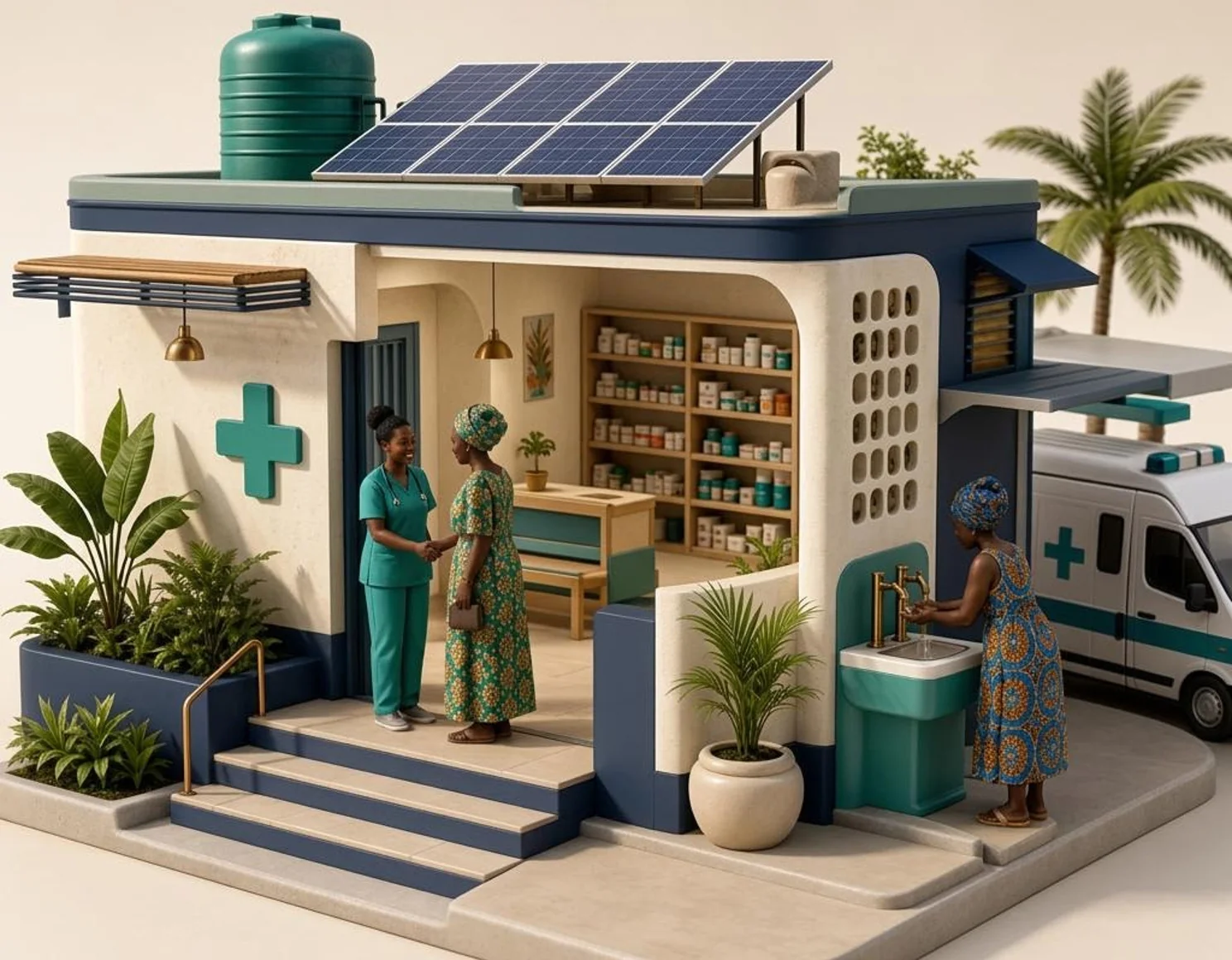
An ambulance needs more than a vehicle. It needs a trained crew, fuel and a place ready to receive the patient.
- Reach care
- Get treatment
- Refer safely
Keep the essentials ready
Improve medicine supplies, staffing, safe water, power and equipment maintenance.
Make the next step clear
Patients should know where to go, what services cost and how emergency referrals work.
Reduce financial hardship
Strengthen the existing health insurance system within available staff, supplies and funding.
From the full programme
Delivery safeguards and conditions
Track every medicine
A tracer list per facility level, tracked from purchase to dispensing, with public stock-out reports and no patient records exposed.
A patient service charter
Each facility displays hours, services, authorised fees, referral arrangements and complaint contacts, also offline.
By 2029
Halve stock-out days for the approved tracer list in participating facilities, without redefining the list.
Build on NHIS
Strengthen the existing National Health Insurance Scheme rather than present it as new. Publish its benefits and rules plainly.
How to judge progress
Check the result
- Are medicines available?
- Does equipment work?
- Can patients find clear fees and complaint contacts?
2031 delivery target
Essential-medicine availability
- Target
- 95%
Goal of at least 95% of defined facility-medicine-days by 2031. Not a current result; scope and verification to be published.
Source: manifesto p.35Full chapter in the manifesto: pp.34, 35.